Feeding and Hydration Tips for Dogs at the End of Life

Providing comfort and care is essential during your dog's final days
When your dog stopped eating, it can be heartbreaking and confusing—especially if they are approaching the final stage of life. Unlike occasional picky eating, loss of appetite at the end of life is often a natural sign that their body is slowing down. While you can’t always restore their appetite, you can make their final days more comfortable by focusing on gentle feeding and hydration strategies.
In this guide, we’ll explore why dogs stop eating, how to keep them hydrated, safe foods to offer, and when it’s time to call the vet.
Why Your Dog Stopped Eating at the End of Life
Loss of appetite in senior or terminally ill dogs is usually caused by:
Slowed metabolism: Their body no longer needs as much energy.
Organ failure: Kidney, liver, or heart conditions can make food unappealing.
Pain or nausea: Discomfort may suppress hunger.
Natural preparation for passing: Many dogs instinctively eat and drink less as life winds down.
If your dog stopped eating for more than 48 hours, it’s time to consult your veterinarian to discuss comfort care options.
Feeding Tips When Your Dog Stopped Eating
Even if appetite is fading, you can try these strategies to encourage small bites:
1. Offer Highly Palatable Foods
Warm, soft, and aromatic foods (like boiled chicken, scrambled eggs, or bone broth) are easier to eat. Baby food without onion or garlic can also be tempting.
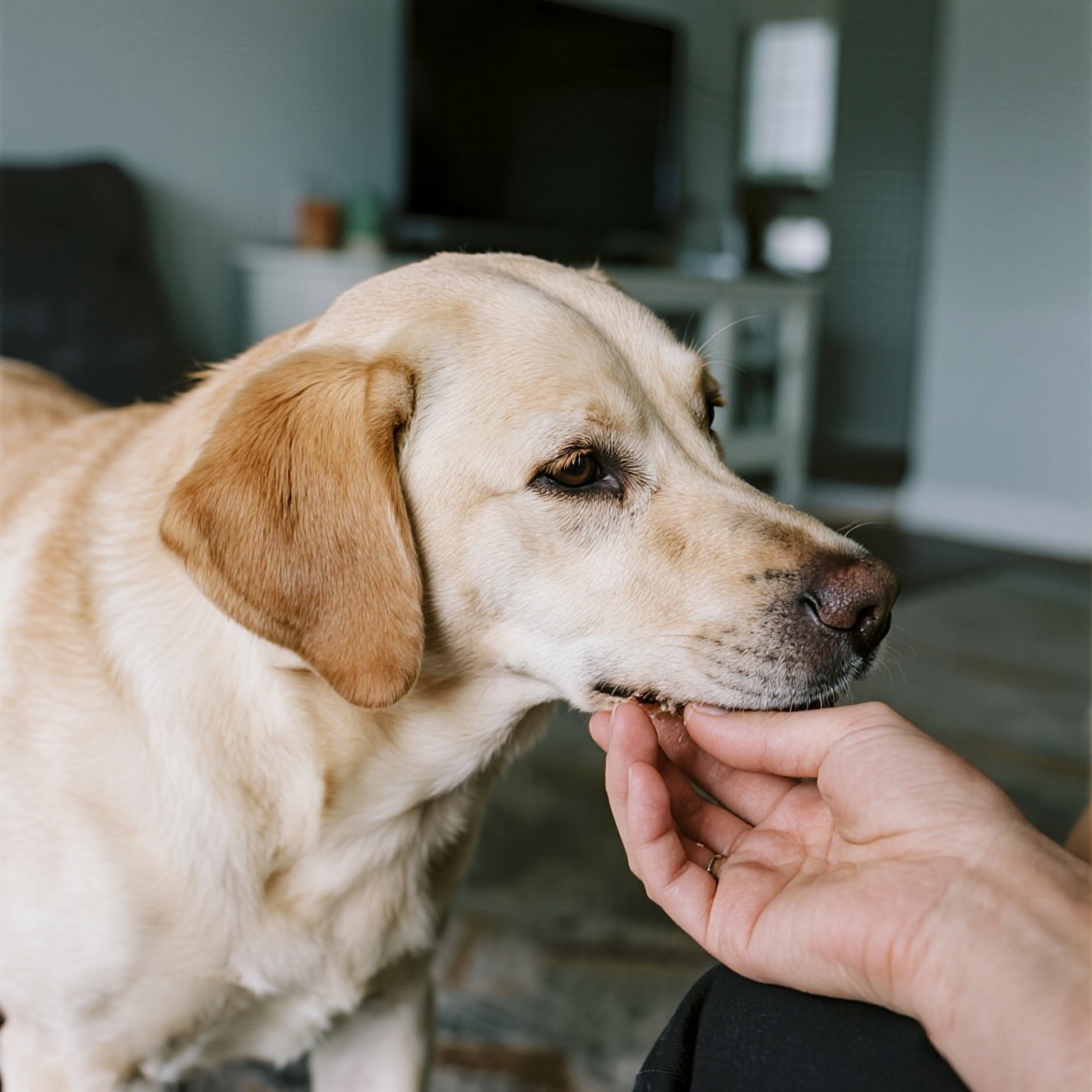
2. Try Hand-Feeding When Your Dog Won’t Eat
Some dogs respond to being fed by hand, especially if they want closeness but lack energy.
3. Make Food Easy to Chew and Swallow
Mash or puree meals into a smooth consistency. Avoid dry kibble, which may be hard on weak teeth and gums.
4. Smaller, More Frequent Meals for a Dog Who Stopped Eating
Instead of full bowls, offer teaspoon-sized portions several times a day.
5. Respect Their Limits
Forcing food can cause stress. If your dog refuses repeatedly, focus on comfort instead of calories.
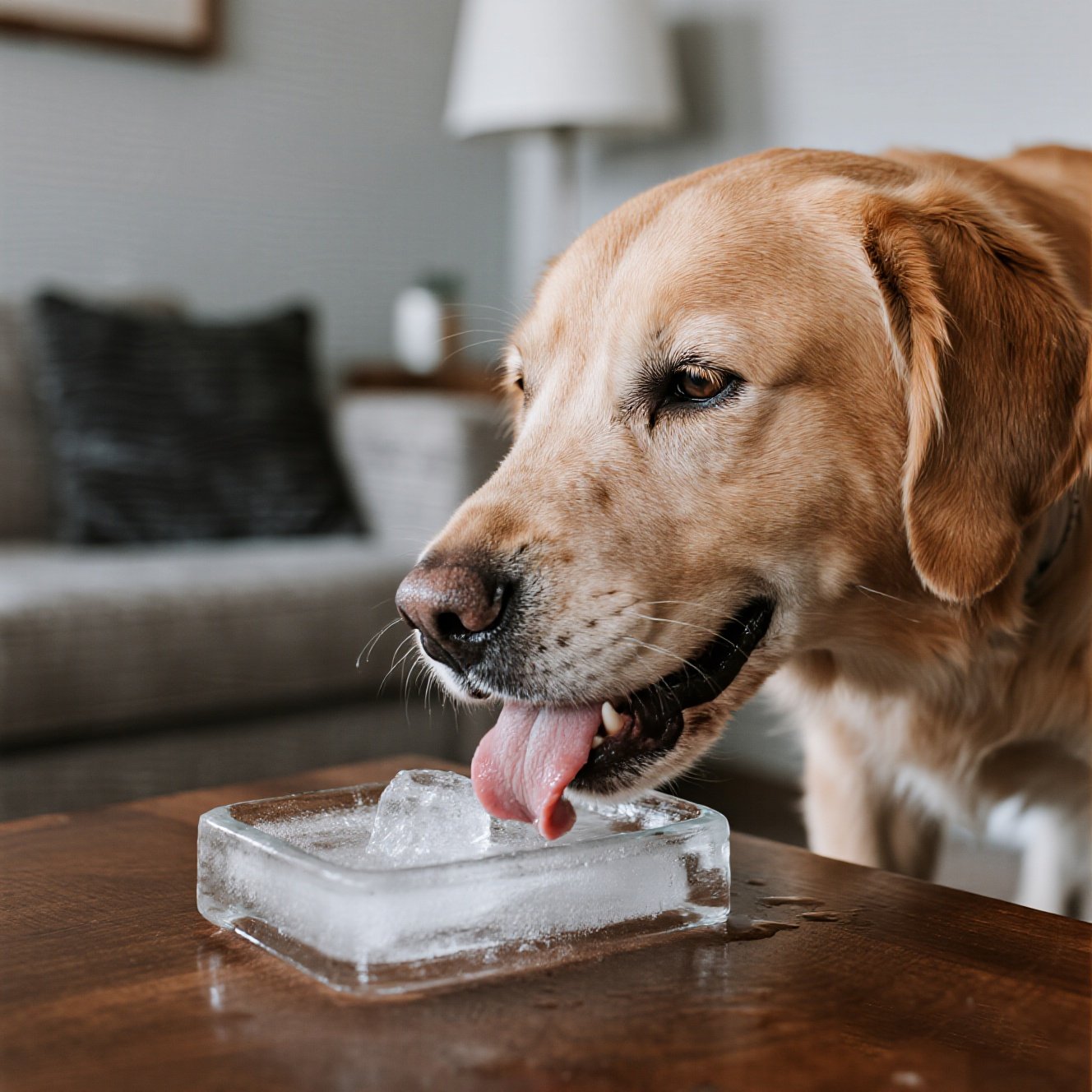
Hydration is often more important than food in a dog’s final days. If your dog stopped drinking too, here are ways to help:
Ice chips or ice cubes: Many dogs enjoy licking them.
Bone broth or chicken broth: Adds flavor and mild nutrition.
Wet their gums: Use a damp sponge or syringe (without force) to moisten their mouth.
Canned food with added water: Creates a soup-like texture that provides both fluids and calories.
Tip: Dehydration may cause dry gums, sunken eyes, and lethargy. If you notice these signs, talk to your vet about subcutaneous fluids for comfort.
Proper hydration is crucial for dogs in their final days
Safe Foods to Try When Your Dog Stopped Eating
When your dog is still interested in food, stick to gentle, easily digestible options:
Boiled chicken or turkey (unseasoned)
White rice or oatmeal
Pumpkin puree (plain, not pie filling)
Scrambled eggs
Plain Greek yogurt (if tolerated)
Baby food (meat-only varieties, no onion/garlic)
Avoid chocolate, onions, garlic, grapes, raisins, and fatty or spicy foods, which can cause pain or toxicity.
When to Call the Vet if Your Dog Stopped Eating
While some loss of appetite is normal, contact your veterinarian if:
Your dog stopped eating for more than two days.
They also stopped drinking and show signs of dehydration.
They experience vomiting, seizures, or severe pain.
You’re unsure whether to consider euthanasia for comfort.
Your vet may recommend medications for nausea or pain relief, or discuss whether humane euthanasia could prevent unnecessary suffering.
Supporting Yourself When Your Dog Stops Eating
Watching your beloved pet refuse food can feel like rejection, but remember: it’s not a lack of love—it’s part of the natural process. Sitting with them, offering a gentle hand, or whispering kind words can mean more than any meal.
Final Thoughts: Comfort Matters More Than Calories
If your dog stopped eating at the end of life, know that you’re not alone. Many pet parents face this heartbreaking stage, and choosing comfort over force-feeding is often the kindest act of love. Focus on hydration, safe foods, and emotional closeness. And when in doubt, let your veterinarian guide you.
Your dog doesn’t measure your love in bowls of food—they feel it in your presence, your touch, and your willingness to walk with them until the very end.

2 Responses