Why Does My Dog Have Dandruff? Causes, Treatments, and Prevention
If you’re asking yourself, “why does my dog have dandruff?” you’re not alone. Many dog owners notice white flakes on their pet’s fur, couch, or bedding and immediately worry. Just like humans, dogs can develop dandruff for many reasons—from something as simple as dry air to more serious health concerns. The good news? With the right care, you can usually bring back your pup’s healthy, shiny coat and ease their discomfort.

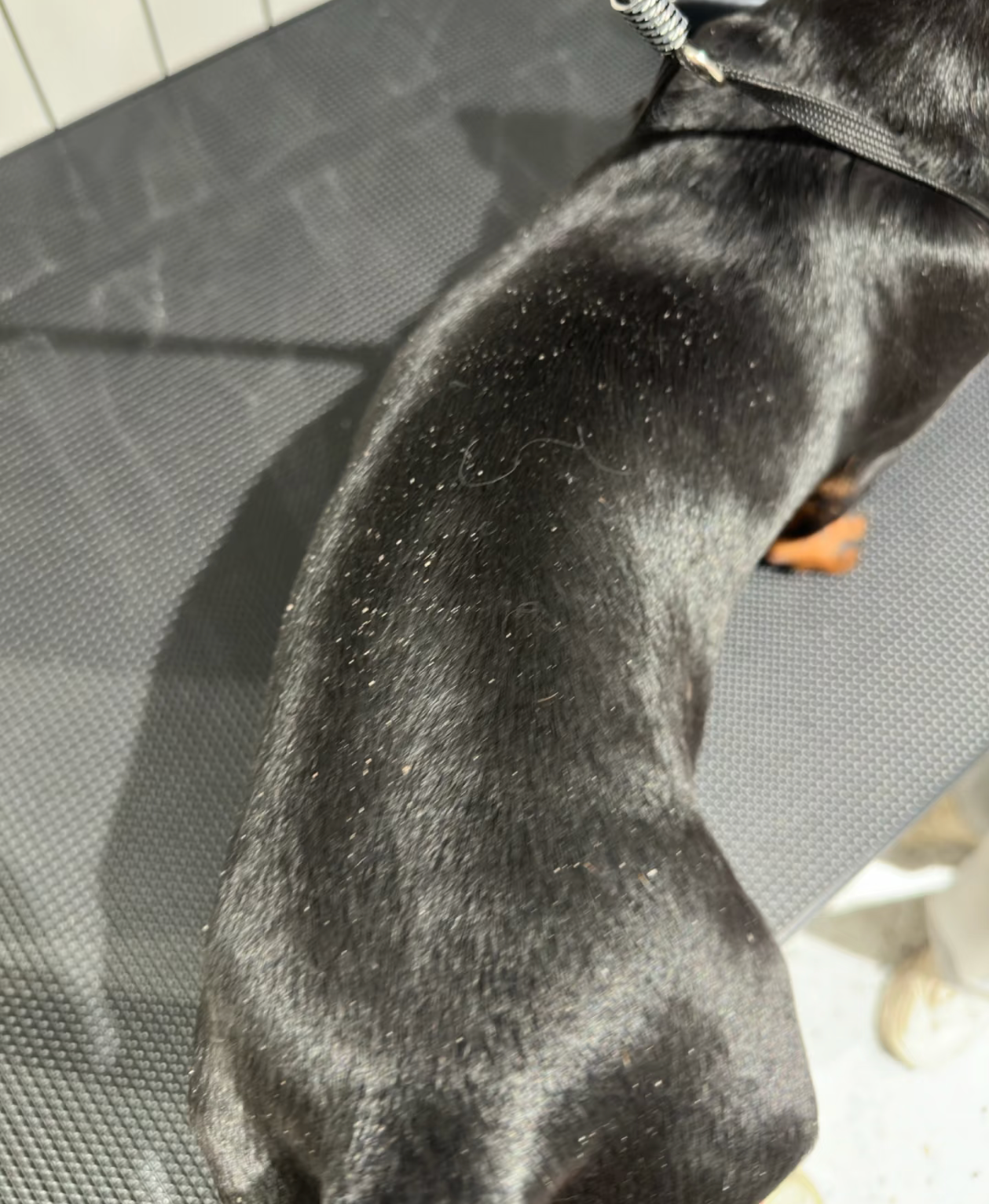
Mild dandruff appears as small white flakes on a dog’s fur—often a sign of skin moisture imbalance.
Understanding Dog Dandruff
Before you can treat it, it helps to understand what’s happening. Dandruff in dogs is the shedding of dead skin cells at a faster or more visible rate than usual. While a little flaking is normal, excessive flakes signal that your dog’s skin balance is off.
- Dry seborrhea (seborrhea sicca): Powdery, dry flakes.
- Oily seborrhea (seborrhea oleosa): Greasy skin with larger, sticky flakes.
- Walking dandruff
(caused by mites): Flakes that seem to move on their own.
Seeing which type your dog has can give clues about the underlying issue.
Why Does My Dog Have Dandruff? The Most Common Causes
Knowing the “why” behind your dog’s dandruff helps you find the right solution. Here are the top culprits:
-
Dry Air and Environment
Winter heating systems and low humidity can rob your dog’s skin of natural moisture. Over-bathing with harsh shampoos also strips oils, leaving the skin flaky. -
Poor Nutrition or Dehydration
Dogs need a balanced diet with omega-3 and omega-6 fatty acids to keep skin hydrated. Cheap dog food or lack of fresh water can lead to a dull coat and dandruff. -
Allergies
Environmental allergies (like pollen, dust, mold) or food sensitivities can irritate the skin. If your dog licks paws constantly or scratches a lot, allergies may be the root cause. -
Parasites and Mites
Cheyletiella mites, known as “walking dandruff,” cause flakes that move. Fleas and other parasites also irritate skin, leading to itching and flaking. -
Infections
Bacterial or fungal infections disrupt the skin barrier. You might notice redness, odor, or hot spots along with dandruff. -
Hormonal or Medical Conditions
Hypothyroidism, Cushing’s disease, or diabetes can trigger dandruff as a secondary symptom. If dandruff is paired with weight changes or low energy, consult your vet. -
Breed Predispositions
Some breeds, like Basset Hounds, Cocker Spaniels, and Golden Retrievers, are prone to seborrhea and flaky skin.
Signs That Dandruff Is More Serious
A little flaking is normal, but here are red flags that mean you should seek vet help:
- Persistent, heavy flaking that doesn’t improve with home care
- Intense itching, biting, or licking (can lead to skin damage)
- Red, swollen, or smelly skin (signs of infection)
- Hair loss or bald patches
- Lethargy, appetite changes, or weight loss (may signal underlying illness)
If your dog shows these symptoms, call your veterinarian right away.

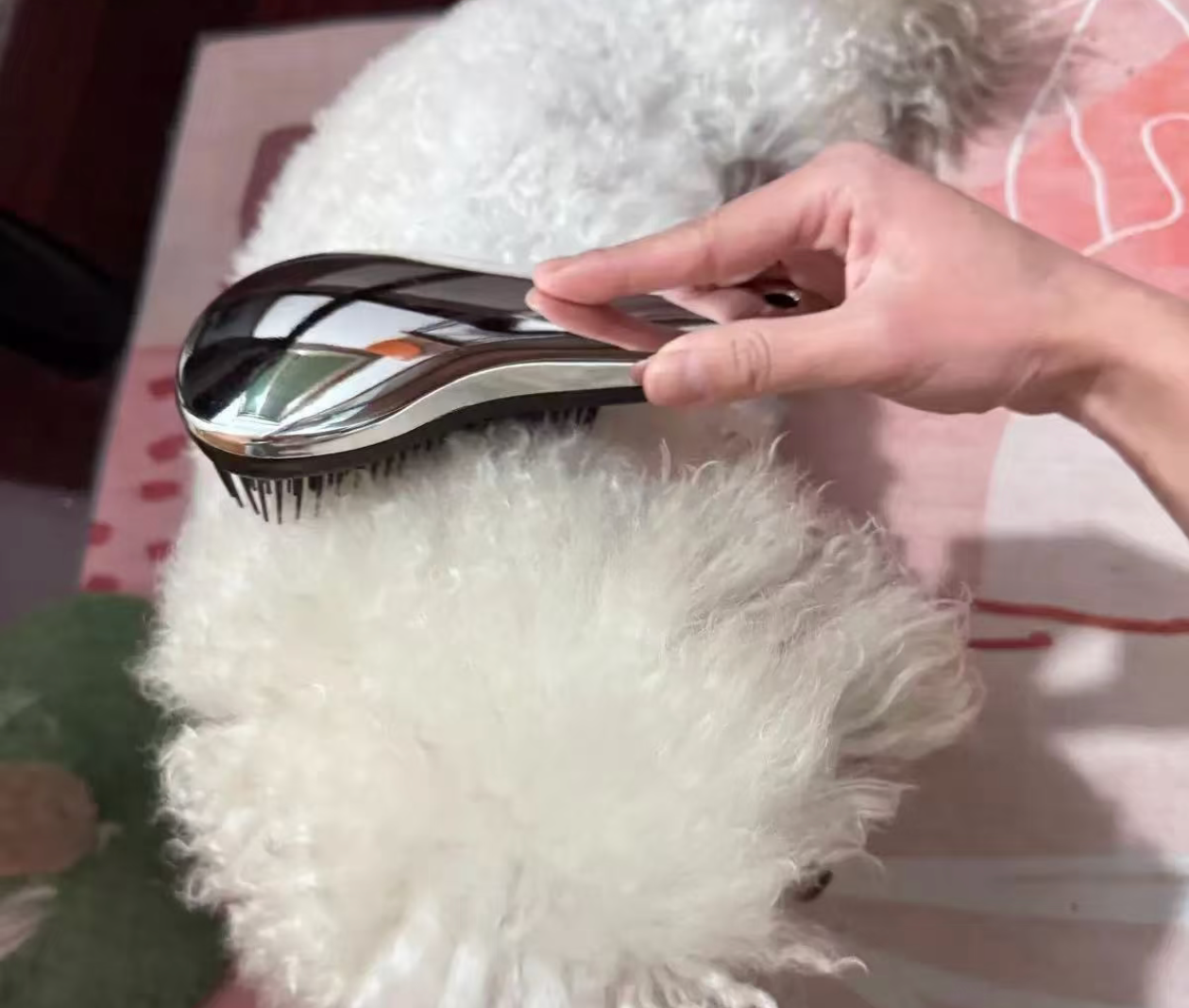
Regular grooming (like gentle brushing) helps distribute natural skin oils and prevent dandruff.
How to Treat Dog Dandruff at Home
When the problem is mild, you can often help your dog feel better with small, consistent changes.
Improve Diet and Hydration
- Feed high-quality dog food with essential fatty acids (look for ingredients like salmon, flaxseed, or fish oil).
- Add vet-approved fish oil or omega-3 supplements (follow dosage guidelines to avoid excess).
- Make sure your dog always has access to clean, fresh water (dehydration worsens dry skin).
Grooming and Bathing
- Brush regularly (2-3 times a week for most breeds) to distribute natural oils evenly.
- Bathe only when necessary (every 4-8 weeks, depending on breed) using a gentle, moisturizing dog shampoo.
- Avoid human shampoos—they upset the pH balance of dog skin (dog skin is more alkaline than human skin).
Moisturize the Environment
- Use a humidifier during dry months (winter heating or summer AC can dry out air).
- Avoid overheating your home or exposing your pup to sudden temperature shifts (stressors for skin).
Veterinary Treatments for Dog Dandruff
If dandruff persists or seems severe, your vet will diagnose the root cause and recommend targeted treatments:
- Medicated shampoos/sprays: For infections (antibacterial/antifungal) or seborrhea (exfoliating or moisturizing formulas).
- Anti-parasite treatments: Topical or oral meds to eliminate mites, fleas, or other parasites.
- Allergy management: Testing to identify triggers, plus meds (antihistamines, steroids) or special diets for food allergies.
- Blood tests: To check thyroid function, hormone levels, or other medical conditions linked to dandruff.
Vets can tailor solutions to your dog’s exact needs, ensuring long-term relief instead of temporary fixes.
Preventing Future Dandruff
The best cure for dandruff is prevention. Keep your dog’s coat and skin healthy year-round by:
- Maintaining a consistent grooming schedule (adjust frequency based on your dog’s coat type).
- Feeding a balanced, nutrient-rich diet (avoid frequent food changes, which can trigger sensitivities).
- Using gentle, vet-approved skincare products (shampoos, conditioners) made for dogs.
- Scheduling regular vet checkups (catch early signs of skin issues or illness).
Emotional Side: Why It Matters
Seeing flakes on your dog might feel like a small issue, but it often signals discomfort. Imagine how itchy, dry skin feels on us—it’s no different for them. Dogs can’t tell us when they’re uncomfortable, so noticing and addressing dandruff is a way to show love, empathy, and responsible care.
Your dog relies on you for comfort. Addressing dandruff is not just about a shinier coat—it’s about giving them the relief and happiness they deserve.
FAQs About Dog Dandruff
Q: Why does my dog have dandruff only in winter?
A: Dry winter air (outdoors) and indoor heating systems lower humidity, which dries out your dog’s skin. Using a humidifier in your home often helps reduce seasonal dandruff.
Q: Can I use human dandruff shampoo on my dog?
A: No. Human shampoos are formulated for our skin’s pH level (more acidic) and can irritate dog skin (more alkaline). This irritation can worsen dryness and dandruff—always use dog-formulated products.
Q: Will dandruff go away on its own?
A: Mild cases (like from temporary dry air) may improve with small changes (e.g., a humidifier). But persistent dandruff (lasting more than 1-2 weeks) usually needs adjustments to grooming, diet, or vet treatment to resolve.
Final Thoughts
So, why does my dog have dandruff? It could be as simple as dry skin from winter air or as complex as an underlying health issue like allergies or thyroid disease. The key is to observe your dog’s behavior, coat condition, and overall health.
Start with simple steps—better grooming, diet improvements, and environmental adjustments—and if things don’t improve within a couple of weeks, talk to your vet. Your pup deserves to be comfortable in their own skin. By taking action now, you can give them the healthy, happy life they deserve.

One Response