
Is a Dog's Mouth Cleaner Than a Human's? The Surprising Truth Every Pet Owner Should Know
Is a dog's mouth cleaner than a human's? Many pet parents have asked this question while receiving a wet, slobbery kiss from their furry friend. Some believe a dog’s mouth is “cleaner” because their saliva has antibacterial properties. Others worry that dogs lick everything—shoes, trash, even their own behinds. So how could their mouths possibly be cleaner?
The truth is more complex than a simple yes or no. To understand the answer, we need to look at science, veterinary advice, and the deep emotional bond between humans and dogs.

Where Did the Myth Begin?
The idea that a dog’s mouth is cleaner than a human’s has been around for decades. Why?
- Dogs lick their wounds, and many heal without infection.
- Early studies suggested dog saliva has antimicrobial properties.
- Pet owners wanted reassurance that dog kisses are safe.
However, science tells a different story. Both dogs and humans carry bacteria in their mouths. They just carry different types.
Dog Mouth vs. Human Mouth: What Science Shows
So, is a dog's mouth cleaner than a human's? The answer is no. Both species have bacteria-rich mouths, but the bacteria serve different purposes.
Bacteria in Human Mouths
- Humans host 600+ species of bacteria.
- Common types include Streptococcus mutans, which causes cavities, and microbes linked to gum disease.
- Our diets, often high in sugar, increase tooth decay risk.
Bacteria in Dog Mouths
- Dogs also carry 600+ species of bacteria.
- Common microbes include Pasteurella and Capnocytophaga. These rarely harm dogs but can infect humans.
- Dogs usually avoid cavities, yet gum disease affects up to 80% of dogs by age three.
Conclusion: A dog’s mouth is not cleaner. It’s simply different.
Is Dog Saliva Healing?
Some people believe dog saliva heals wounds. In fact, it does contain enzymes and growth factors that help tissue repair. That explains why dogs instinctively lick their injuries.
But licking wounds is not always safe. Harmful bacteria also live in a dog’s mouth. When saliva enters an open cut, it can cause infections. Therefore, while dog saliva has some healing compounds, it is not sterile or safer than human saliva.
Can You Get Sick From Dog Kisses?
When you ask, is a dog's mouth cleaner than a human's, you’re also asking: is it safe to let my dog lick me? The short answer is yes, usually. But there are risks.
Risks of Dog Saliva
- Bacteria transmission – Capnocytophaga canimorsus can rarely cause severe illness in humans.
- Parasites – Dogs that eat feces or raw meat can pass parasites.
- Allergic reactions – Some people develop rashes after contact with dog saliva.
Who Should Be More Careful?
- Infants and toddlers
- Older adults
- People with weak immune systems
For healthy adults, the occasional dog kiss is safe. Still, avoid letting dogs lick your mouth or open wounds.
Dental Health: Dogs vs. Humans
When comparing oral health, we see big differences.
- Humans: Prone to cavities due to sugary diets.
- Dogs: Rarely get cavities but often face gum disease.
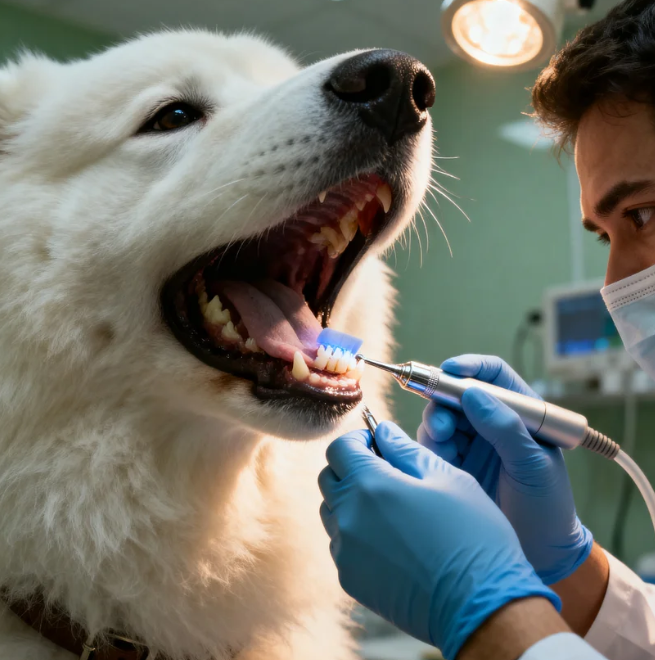
If you wonder, is a dog's mouth cleaner than a human's, think about hygiene habits. Humans brush daily and visit the dentist. Most dogs don’t get that level of care. Without regular cleaning, a dog’s mouth can quickly become a breeding ground for bacteria.
How to Keep Your Dog’s Mouth Healthy
Good oral hygiene protects your dog’s health and makes kisses safer. Veterinarians recommend these steps:
- Brush your dog’s teeth daily with dog-safe toothpaste.
- Provide dental chews that reduce plaque and tartar.
- Offer chew toys that naturally clean teeth.
- Schedule yearly dental exams with your vet.
Never use human toothpaste—it contains xylitol, which is toxic to dogs.
With consistent care, you protect your dog’s teeth, gums, and overall well-being.
Myth vs. Reality
Let’s settle the debate:
Dog kisses are safe for most people, but not risk-free. The key is responsible hygiene—for both you and your pup.
Final Thoughts
So, is a dog's mouth cleaner than a human's? The answer is no. Both humans and dogs have bacteria-filled mouths. The difference lies in the types of bacteria.
But here’s the good news: most dog kisses are harmless for healthy adults. With regular dental care, you minimize risks and enjoy fresh-breathed affection. And while science explains the bacteria, your heart reminds you of the truth: those slobbery kisses carry love, not danger.