Can Dogs Laugh? The Science and Joy Behind Canine Happiness

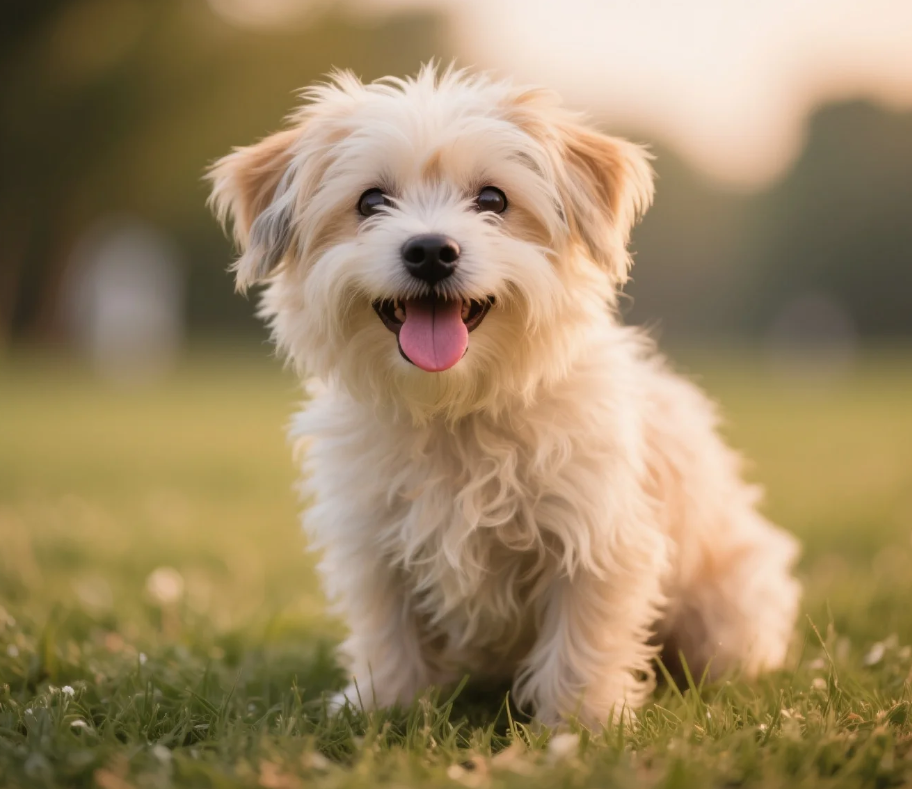
A playful dog displaying behaviors that many owners interpret as laughter
🐕 If you’ve ever watched your dog mid-play and thought, that looks like laughter, you’re not alone. Many pet parents in the U.S. ask the same question: can dogs laugh? We already know dogs wag their tails when happy, bark when excited, and whine when upset. But laughter feels like something only humans do. Or maybe not.
This blog explores the science behind canine laughter. It also shows how to recognize it, why it matters, and how you can create more of it at home.
Do Dogs Actually Laugh?
🐾 Dogs don’t laugh exactly like humans. They don’t giggle or chuckle at jokes. Instead, they make a sound that behaviorists call a play-pant. It’s a breathy, rhythmic exhale that happens mostly during play.
Animal behaviorist Patricia Simonet studied dogs at play. She discovered this sound and noticed that it was not the same as normal
panting. Dogs used it during happy interactions. Other dogs often responded with play.
So, the short answer is yes — dogs can laugh, but in their own way.
How to Recognize a Laughing Dog
If you wonder whether your pup is laughing, look for these signals 🪄
- Play-panting – A softer, breathy exhale compared to heavy panting.
- Relaxed posture – Loose, wiggly movements instead of stiffness.
- Play bow – Front legs down, tail high, inviting fun.
- Joyful sounds – Light barks, playful growls, or soft whines.
- Tail wagging – Wide sweeps paired with bright, engaged eyes.
These signs usually appear together. When they do, your dog is showing joy and inviting you to join in.

Dogs engaging in playful behavior often exhibit laughter-like sounds and body language
Why Canine Laughter Matters
🫶🏼 The question “can dogs laugh” is more than curiosity. It affects how we bond with our pets.
Here’s why laughter is important:
- Better communication. You can understand when your dog feels playful.
- Stronger trust. Recognizing joy builds confidence on both sides.
- Positive training. Playful moments make rewards more effective.
- Health benefits. Shared laughter reduces stress for dogs and people.
Because laughter signals happiness, it strengthens your relationship every day.
Do All Dogs Laugh the Same Way?
🐶 Not all dogs express joy in the same way. Some are loud, while others are subtle.
- Vocal breeds such as Huskies and Beagles make more sounds.
- Reserved breeds such as Greyhounds show joy through gentle movement.
- Puppies laugh more often because they play all the time.
- Senior dogs laugh less often but still show joy in quieter ways.
Every dog has its own style. The key is watching closely so you can learn your pup’s signals.
How to Make Your Dog Laugh More
🥎 You can create more moments of joy for your dog. The secret is to play often and keep activities positive.
Try these ideas:
- Play fetch or tug-of-war. Classic games always spark excitement.
- Offer new toys. Puzzle feeders or squeaky toys encourage fun.
- Set up playdates. Dogs laugh more when they socialize with others.
- Be playful yourself. Run, laugh, or act silly. Dogs respond to your energy.
Tip: When your dog gives a play bow and breathy pant, you know you’ve sparked laughter.
Can Dogs Laugh at Jokes?
💕 People often ask: can dogs laugh at jokes? The answer is no, but it’s not that simple. Dogs don’t understand humor the way we do. However, they respond to our emotions.
When you laugh, your dog often wags, barks, or joins in play. So even though they’re not laughing at the joke itself, they’re laughing with you.
Frequently Asked Questions
Can dogs laugh when they’re alone?
Dogs usually laugh-like sounds during play with people or other dogs. When alone, they may still show joy with tail wagging or relaxed panting, but laughter is mainly social.
Do dogs know when we’re laughing?
Yes. Dogs recognize human emotions, and laughter often makes them more playful.
Can I mimic my dog’s laugh?
Yes. Trainers sometimes use recordings of dog laughter in shelters. These sounds calm anxious dogs and invite play.
Key Takeaways
- Dogs don’t laugh like humans, but they use a play-pant sound.
- The answer to “can dogs laugh” is yes — in their unique way.
- Recognizing laughter signals helps you connect more deeply.
- Every dog laughs differently depending on age, breed, and personality.
- You can encourage laughter through games, toys, and social play.
Conclusion
💫 So, can dogs laugh? They may not chuckle at sitcoms, but they absolutely have their own version of laughter. Through playful panting, wagging tails, and joyful energy, dogs show us happiness in ways we can recognize.
By learning these signs, you’re not just answering a fun question. You’re also building a stronger bond with your four-legged family member. And that’s something worth smiling about.
For more resources, visit
Kissingpet Blog

One Response