
If you’ve ever looked at your dog and thought, "Why is my dog so aloof?", you’re not alone. Many pet owners experience this behavior, but understanding why dogs act this way can help strengthen your bond with them. In this article, we’ll explore the common reasons for aloof dog behavior and how to address it.
When a dog is described as "aloof," it means that the dog seems distant or uninterested in human interaction. An aloof dog may not respond to commands as eagerly, avoid physical affection, or prefer to keep to themselves rather than seeking attention. This behavior can be frustrating for dog owners who want their pets to be affectionate and attentive.
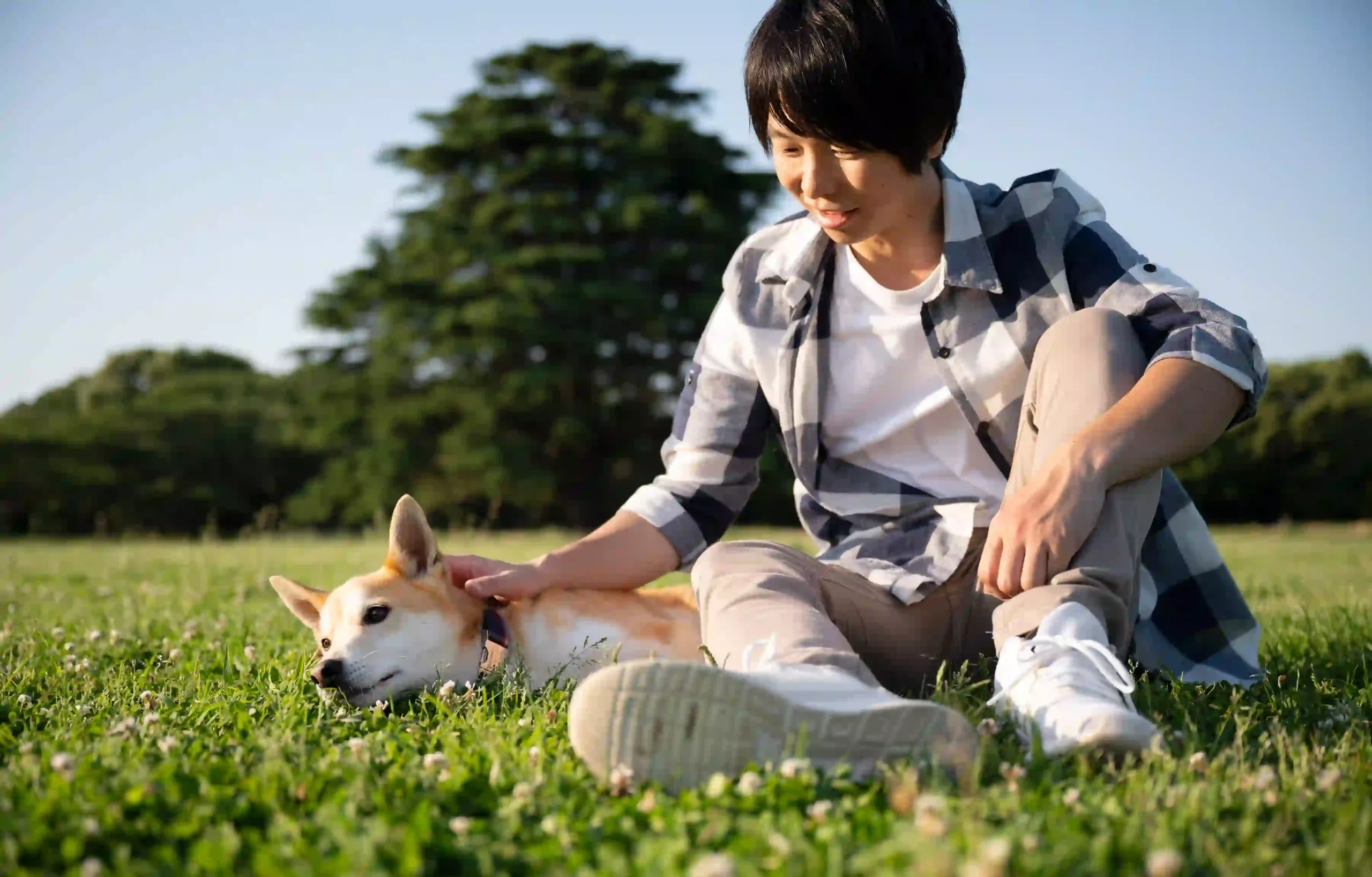
Aloof dogs show a few telltale signs:
However, it’s important to note that not all aloof behavior is negative. Some dogs simply have independent personalities or are naturally more reserved.
Understanding why your dog is aloof involves looking at several possible factors. Each dog is different, but certain reasons might explain aloof dog behavior.
Just like people, dogs have unique personalities. Some breeds are more independent than others, and even within a breed, individual dogs can vary in how social they are. For example, breeds like the Basenji or the Shiba Inu are known for their aloofness. It’s not that they don’t love their owners; they just prefer to keep their distance.
If your dog wasn’t properly socialized as a puppy, it could be more reserved or anxious around new people or situations. Dogs that don’t get enough positive exposure to different environments, sounds, and people may feel overwhelmed or fearful, leading them to withdraw and act aloof.
Dogs that have had negative experiences in the past, such as neglect or abuse, may display aloof behavior as a form of self-preservation. These dogs may find it hard to trust others and might prefer staying distant to avoid getting hurt.
Sometimes, aloof behavior can be a sign that something is wrong with your dog’s health. If a dog is feeling unwell or is in pain, it may withdraw and stop engaging as usual. It’s always a good idea to rule out any medical conditions if your dog’s behavior changes suddenly or if they seem uncomfortable.
Dogs that feel stressed or insecure in their environment might also act aloof. Moving to a new home, changes in the family dynamic, or the introduction of new pets can all make a dog feel unsettled and cause them to withdraw.
Now that we’ve explored some of the reasons why your dog might be aloof, it’s time to look at ways to improve your connection with them. Building a stronger bond takes time, patience, and understanding, but with the right approach, you can encourage your dog to be more affectionate.
When dealing with an aloof dog, patience is key. Don’t force affection on them. Instead, allow them to approach you on their own terms. Respecting their space is essential to building trust.
Encourage friendly behavior with positive reinforcement. When your dog comes to you for attention, give them treats, praise, or playtime. Positive reinforcement will help your dog associate social interactions with good things.
If your dog is aloof due to lack of socialization, slowly introduce them to new people, pets, and environments in a calm and controlled manner. Take it one step at a time, and never overwhelm your dog with too many changes at once.
Spending quality time together will strengthen your bond. Whether it’s a daily walk, a game of fetch, or just sitting together, showing your dog that you’re there for them can make a difference. Avoid putting pressure on them to be affectionate, and instead focus on being consistent and reliable.
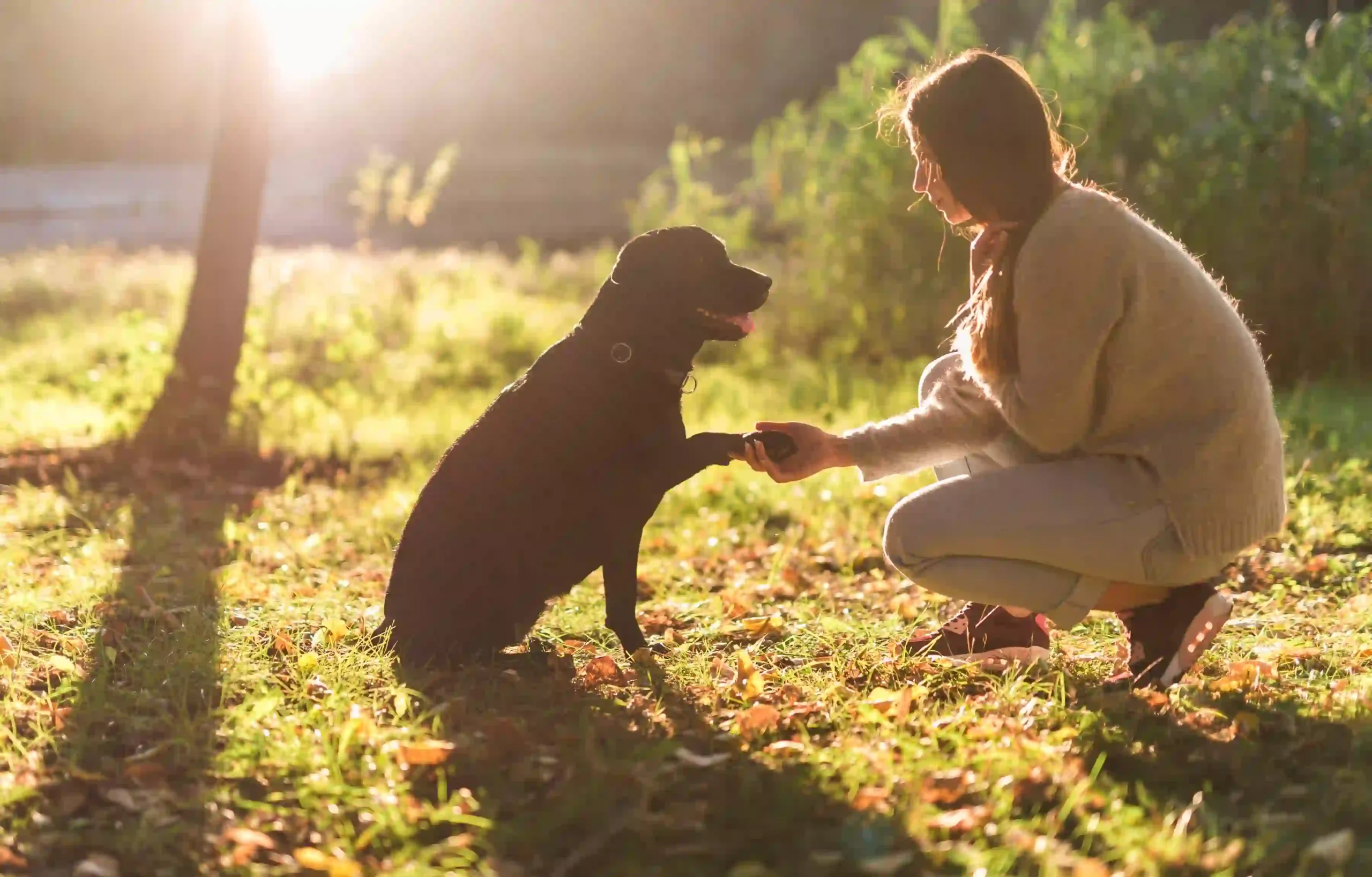
If your dog’s aloofness seems sudden or drastic, consult your vet to rule out any health problems. Pain or discomfort could be the underlying cause of their behavior, and addressing it can make your dog feel more comfortable and connected.
If your dog is aloof, it’s important to remember that this is just one aspect of their personality. Not all dogs are naturally affectionate, and some simply prefer to keep their distance. By understanding the causes of aloof dog behavior and following some simple strategies to improve your bond, you can create a healthier and happier relationship with your pet.
Your dog’s aloofness doesn’t mean they don’t love you. They just may need some time, understanding, and care to feel comfortable enough to show it.
One Response
got it